Maritimo’s apprenticeship program is not simply a pathway into boatbuilding; it is a deliberate, long-term investment in people, skills, and the future of the Australian marine industry.
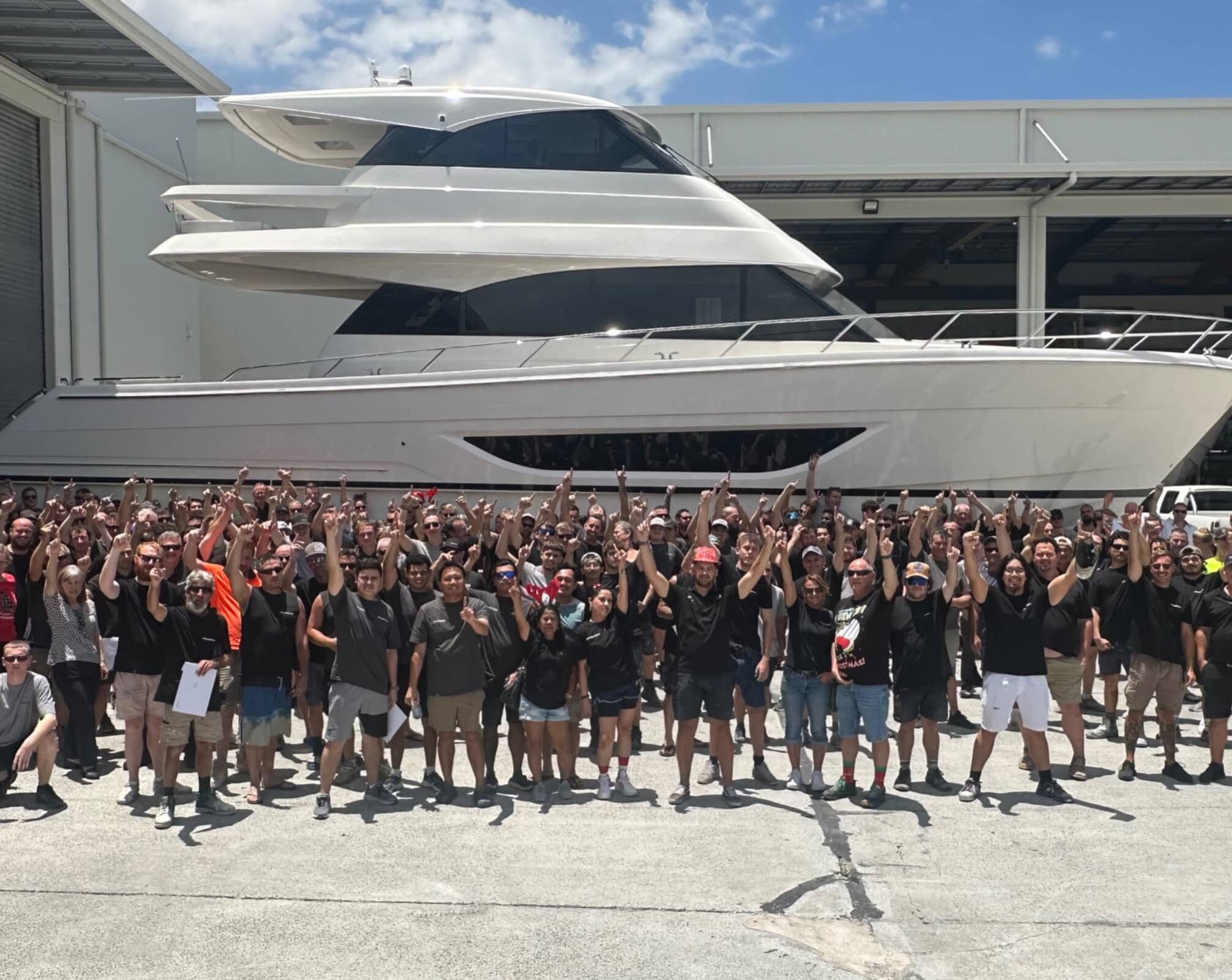
At its core, is a belief that technical excellence, leadership capability, and cultural consistency are best developed from within. Over the last two decades, this philosophy has shaped a program that equips apprentices not only with trade qualifications, but with a deep understanding of the business, the industry, and the opportunities that lie beyond the tools.
Since joining Maritimo eight years ago, Production Manager Kym Fleet estimates that approximately forty apprentices have progressed through the system. That number reflects steady, considered growth, rather than volume for its own sake. “The idea of an apprentice program is to retain the majority of these apprentices, so that they become our boat builders, and for some, the leaders of tomorrow,” explained Fleet. While not every apprentice ultimately stays, the intention is clear: Maritimo sees apprentices as future long-term contributors, not short-term labour.
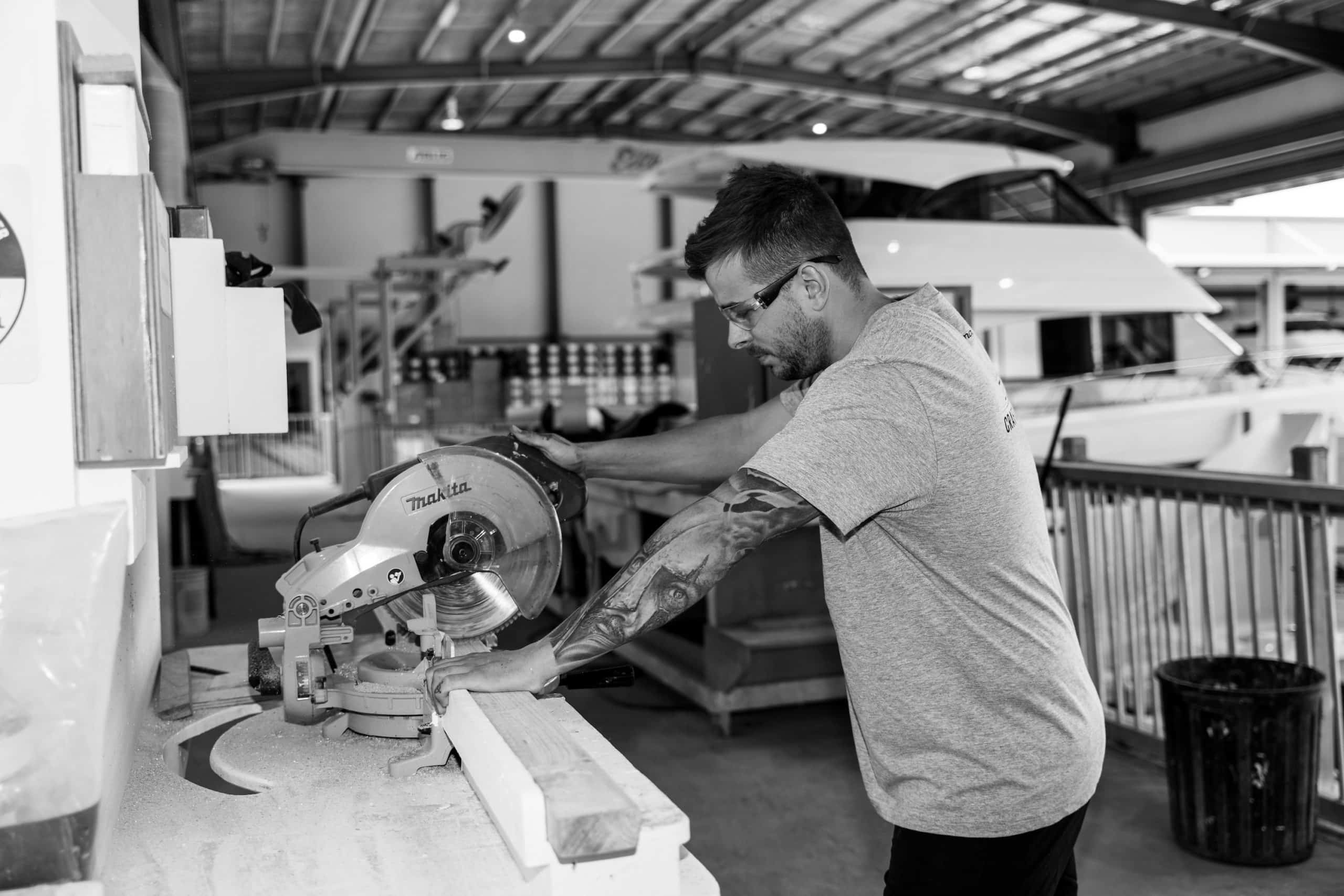
“One of the best aspects of the last major group of apprentices has been the number of young women who joined as apprentices. They have a good attention to detail and a genuine sense of cracking on to get the job done.”
The process of attracting apprentices is deliberately structured. Initial interest often comes through traditional channels, such as job advertisements, supplemented by word of mouth and family connections within the marine community. From there, candidates are required to demonstrate genuine interest in the company. Prospective apprentices are encouraged to research Maritimo and arrive at interviews with an understanding of what the business does and what it represents. This early expectation sets the tone for the program, signalling that commitment, curiosity, and effort matter from the outset.
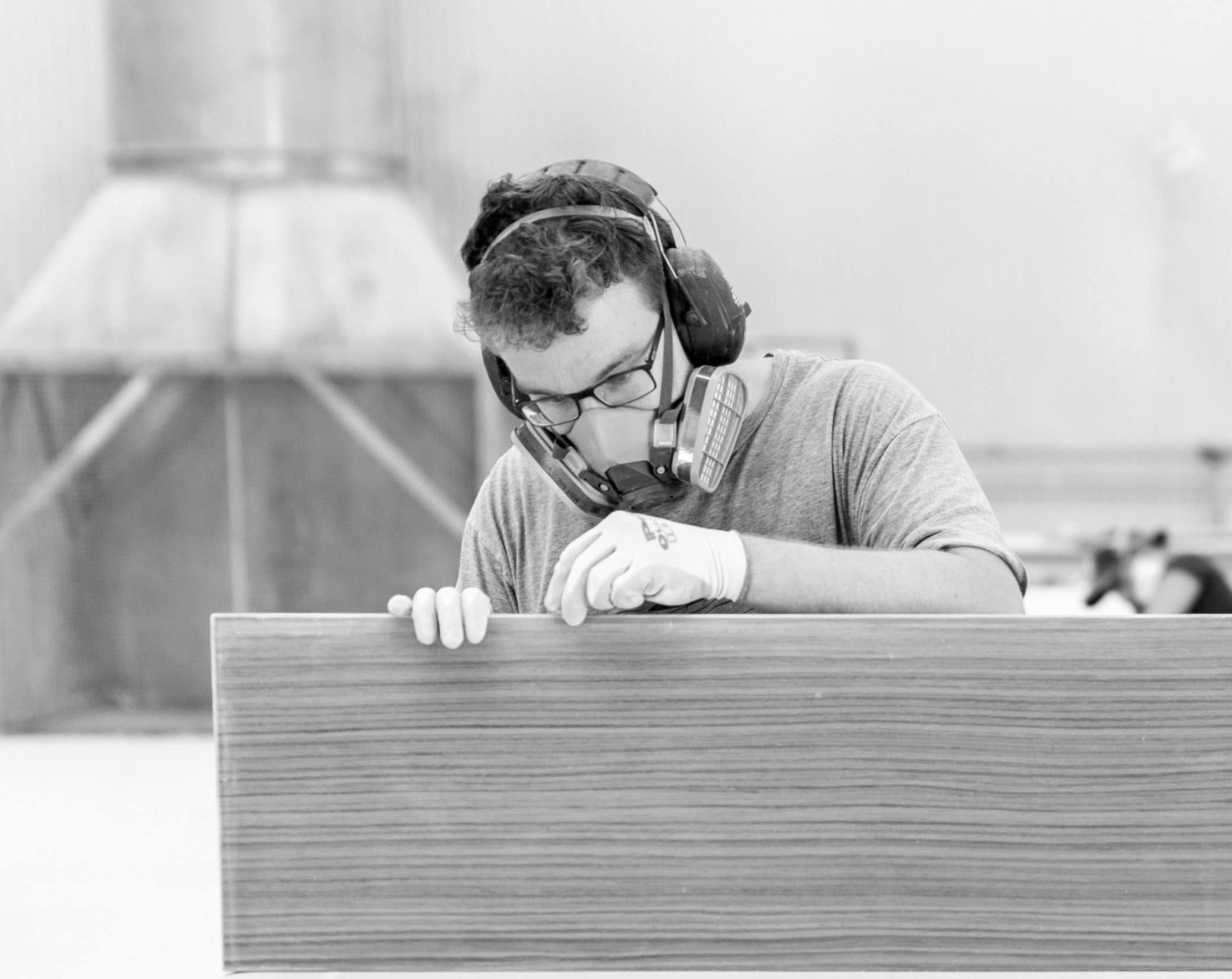
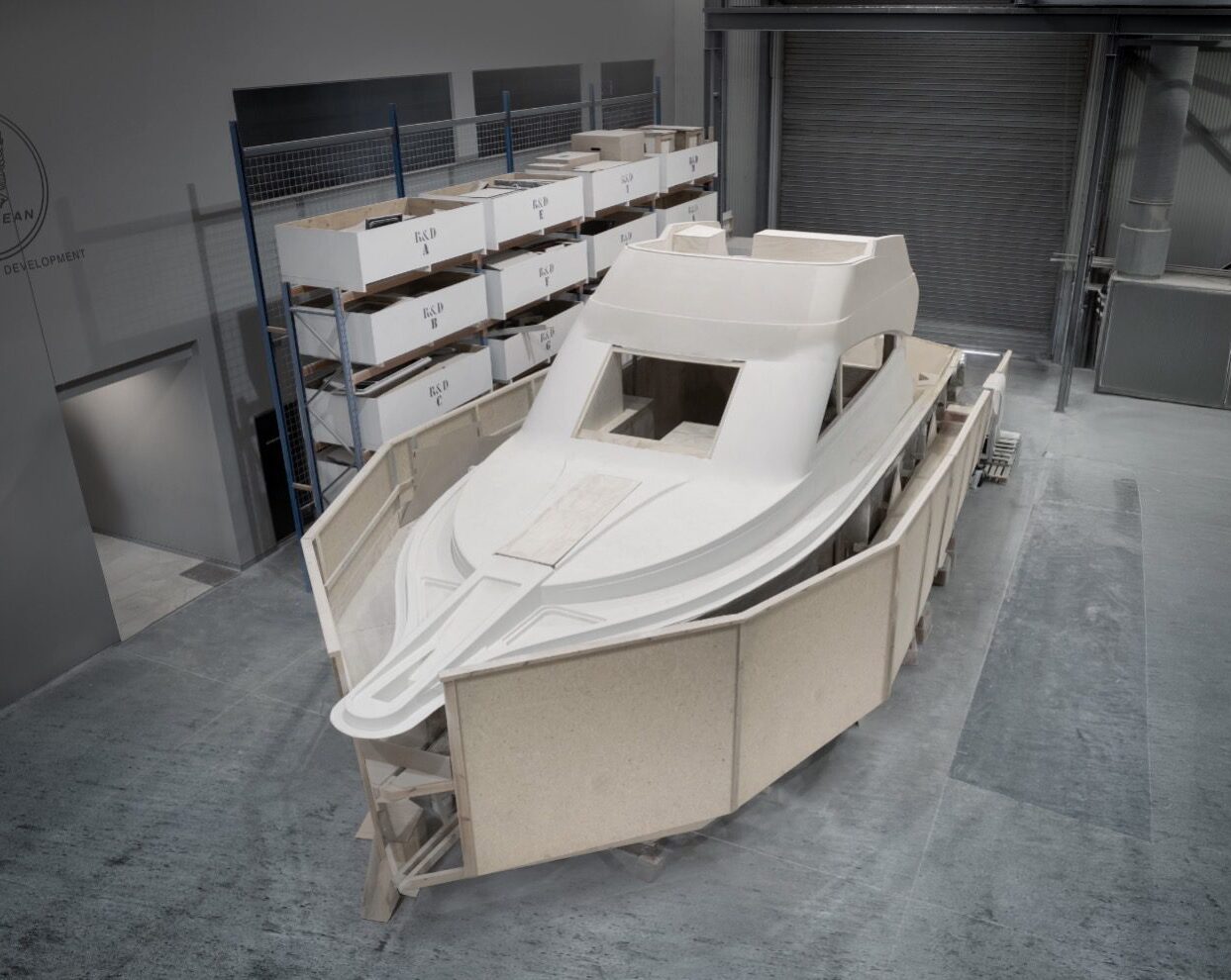
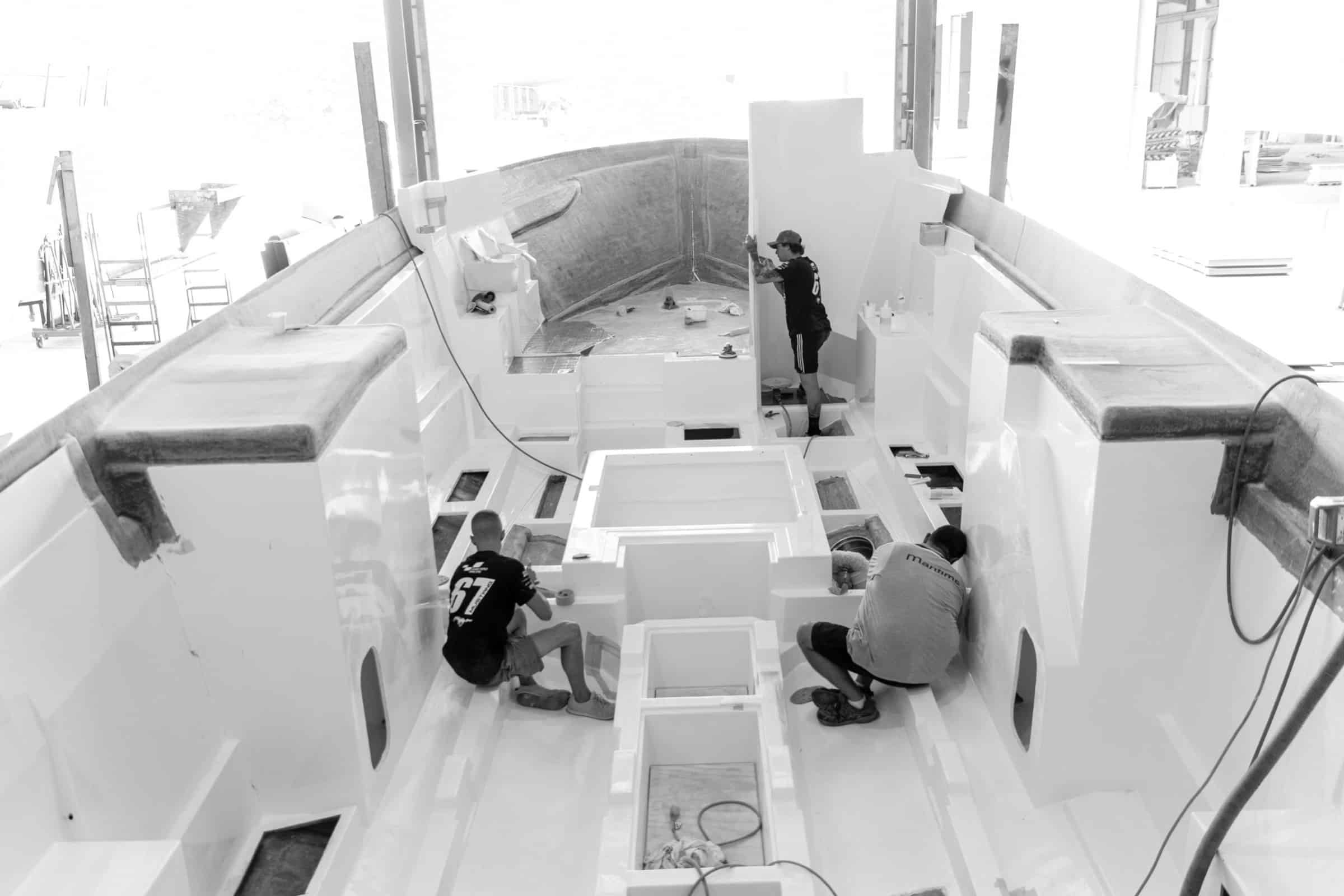
Once apprentices are brought on board, the focus broadens well beyond a single trade discipline. While many begin their journey as boat builders, the program is designed to expose them to the full breadth of Maritimo’s operations. Engineering, Research and Development, Quality Control, and waterfront operations are all part of the Maritimo way that apprentices are invited to explore. As Kym notes, “We do a lot of work during the apprentice program to let them see as much of the business as we possibly can.”
Central to this approach is a structured rotation program. Apprentices are regularly moved through different departments, typically every six to twelve months. This rotation allows them to build a comprehensive view of how a Maritimo luxury motor yacht comes together, from design and construction through to finishing and quality assurance. It also enables individuals to discover where their strengths and interests truly lie. “Some apprentices just shine in a particular area,” said Fleet. “If they’re enjoying it and they’re good at it, we might let them focus on that area, knowing that that’s where they want to be at the end of their apprenticeship.”
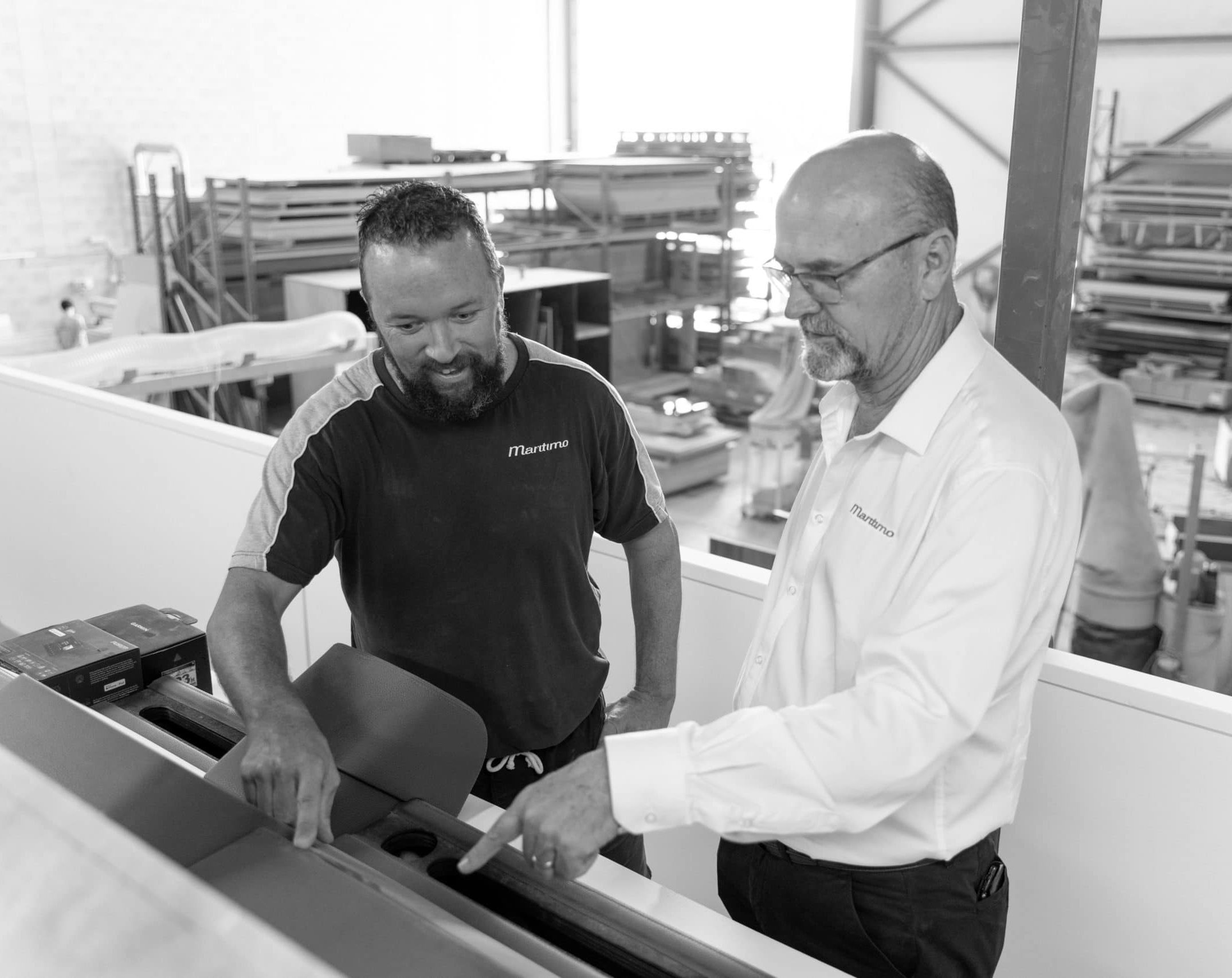
This flexibility is a defining feature of the program. Rather than forcing apprentices into predetermined pathways. The result is a workforce that is both highly skilled and genuinely engaged in its work.
Importantly, the apprenticeship is positioned as a foundation for life, not a narrow vocation selection. Fleet emphasises that many of Maritimo’s current leaders began their careers as apprentices. “All the team leaders, all the heads of trade, all the senior management within the business are all boat builders or have been apprentices in the past. Whether their original trade was boatbuilding, mechanical, or electrical, every person in a supervisory or managerial role has come through an apprenticeship of some description.”
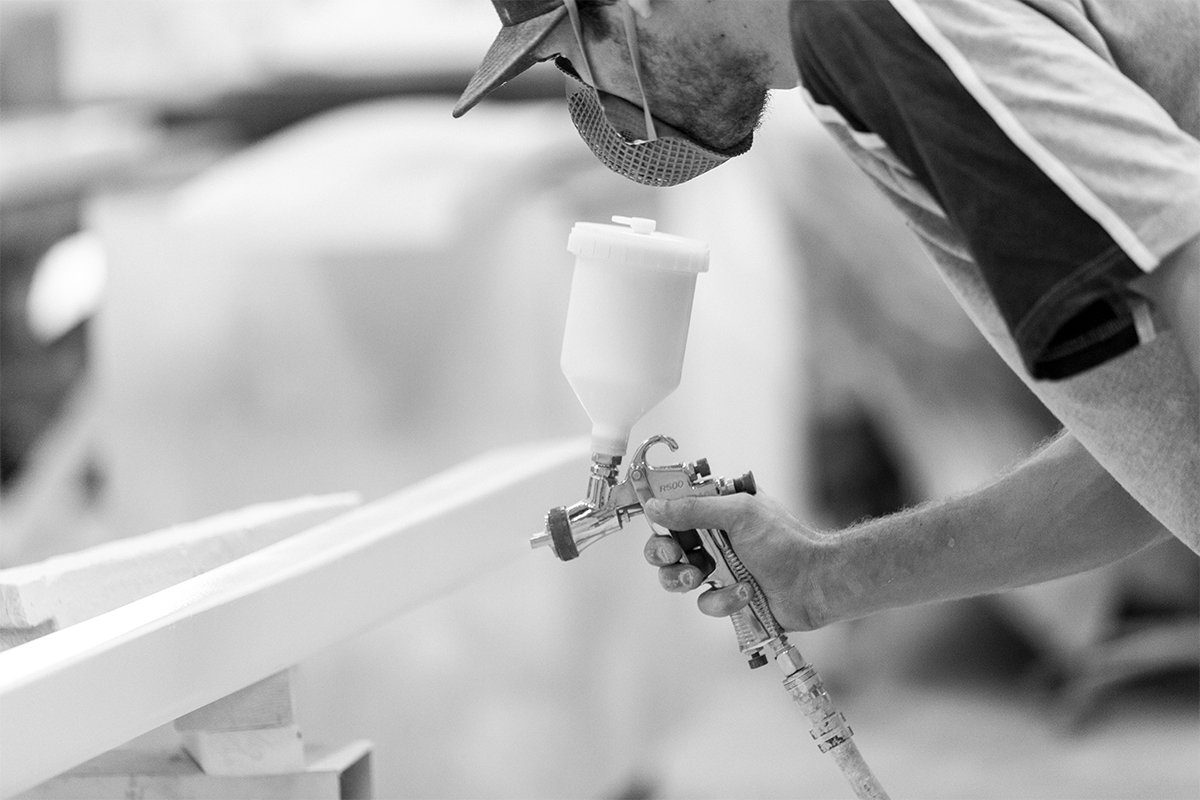
This shared background creates a strong cultural thread throughout the organisation. Leaders understand the demands of the workshop floor, because they have lived it. They appreciate the learning curve, the discipline, and the pride that comes with mastering a trade. In turn, apprentices can see tangible examples of where the pathway can lead, whether that is advanced technical roles, leadership positions, or more administrative and strategic responsibilities.
A good example of this is Nathan Creenaune who started his apprenticeship with Maritimo over ten years ago. An award-winning apprentice, he is now the QC Supervisor for Maritimo’s 55, 60 and 600 range of luxury motor yachts.
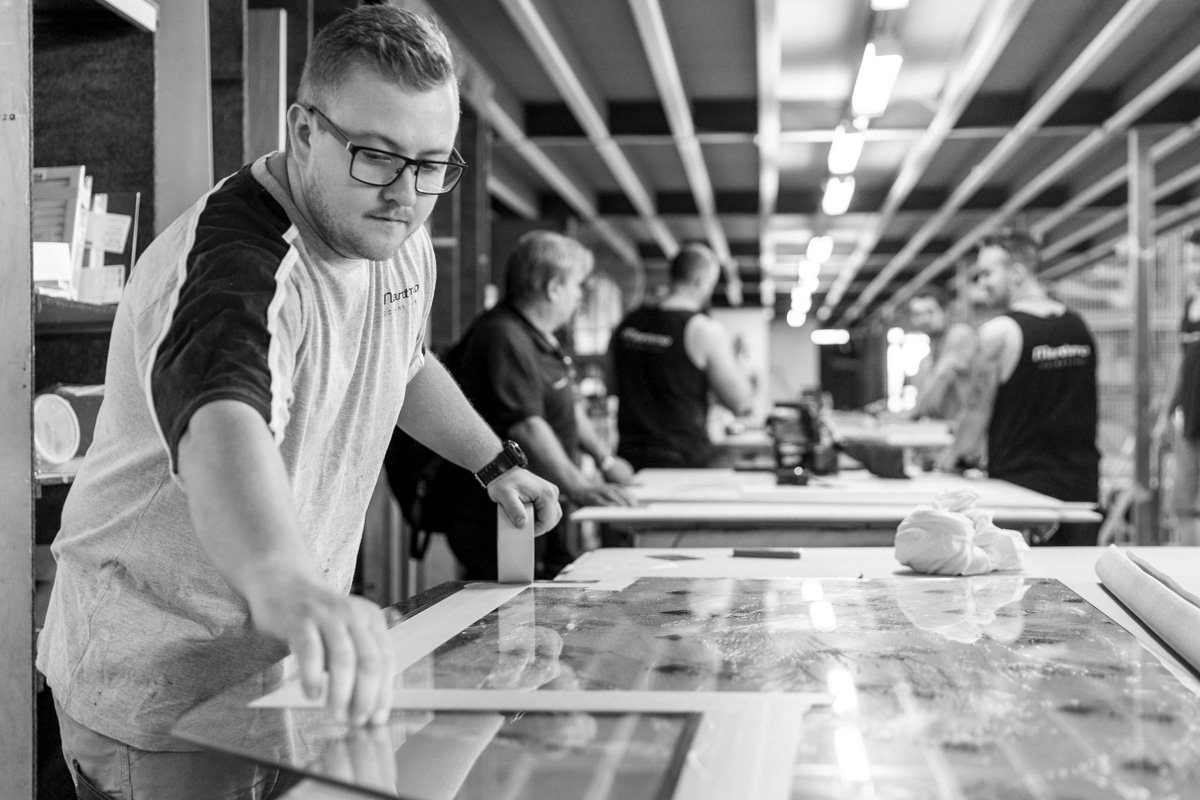
Retention remains a priority, but it is approached with realism and respect for individual circumstances. Fleet acknowledges that apprentices’ lives can change during their training years. Family relocations, personal ambitions, or the desire to travel can all influence decisions. “Young folk want to see and experience other stuff during their early learning years as well.” Travel, overseas work, or time away are not viewed as failures of the program, but as part of personal development.
Significantly, Maritimo maintains strong relationships with former apprentices. Many who leave on good terms ultimately return, bringing with them broader experience and renewed commitment. “If they’ve done the right thing during their apprenticeship, we’ll happily have them back,” Kym explains. This openness reinforces the idea that the apprenticeship is part of a longer career narrative, not a closed chapter.
The program is also supported by external partnerships that strengthen workplace readiness. Maritimo works closely with the Australian Industry Trade College at Robina. An institution known for preparing young people for real-world employment. This relationship has delivered positive outcomes, with graduates arriving better equipped for the expectations of a professional manufacturing environment.
Underlying all these practical structures is a deeper strategic intent. For Maritimo’s leadership team, the apprenticeship program is central to succession planning and long-term resilience.
“Commercial & Finance Director Garth Corbitt, Operations Manager Phil Candler, Manufacturing Manager Paul Wrench, and I all share in the belief that we need to leave the business in a better place than when we arrived,” said Fleet. Building capable teams beneath our current leadership is seen as a core responsibility, not an optional extra. Identifying future leaders, mentoring them, and giving them opportunities to grow is integral to sustaining the business.
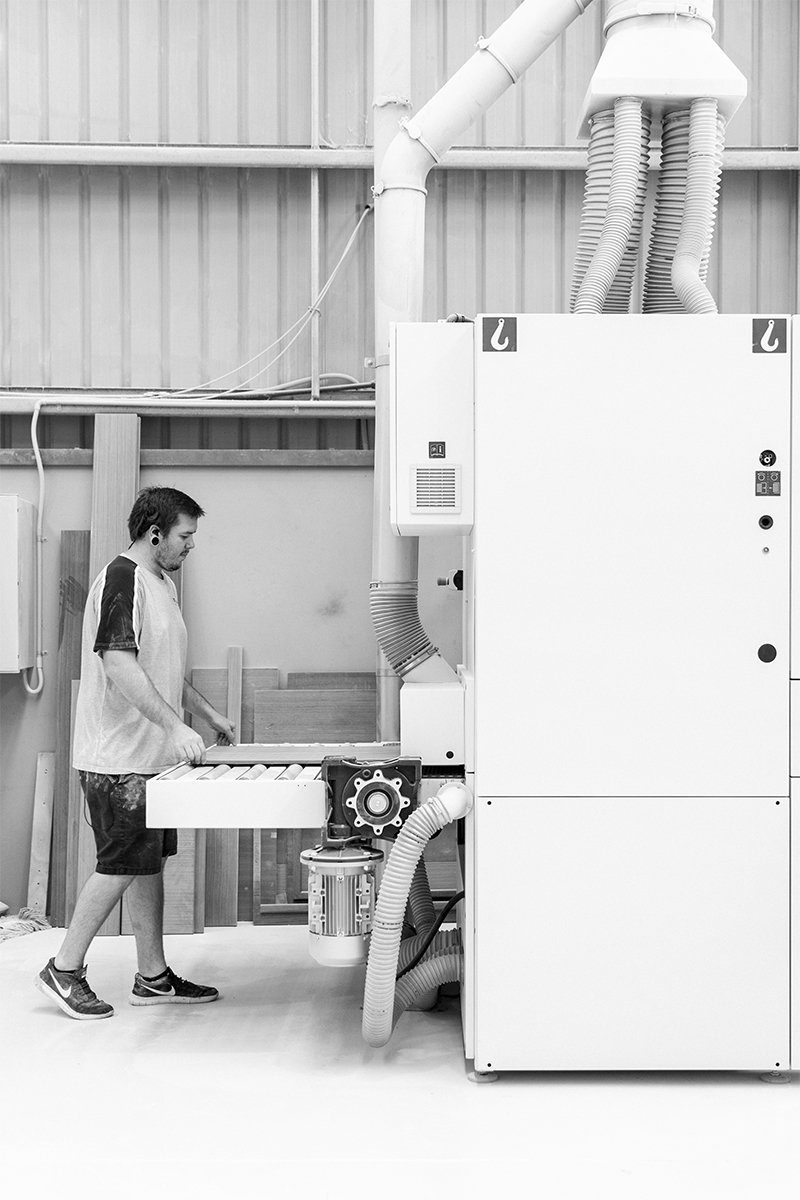
This forward-looking mindset also keeps the organisation dynamic. By continually introducing new apprentices and developing internal talent, Maritimo avoids stagnation. Knowledge is passed down, but fresh perspectives are encouraged. “You’ve got apprentices that have come out of their time and they’re now in more senior roles,” noted Fleet. “They’re the people that come along and teach the next generation of people what they know.”
The result is an educational culture embedded in daily operations. Learning is not confined to formal training modules; it is part of how work is done, how problems are solved, and how standards are maintained. This culture benefits not only apprentices, but the entire workforce, reinforcing Maritimo’s reputation for quality and craftsmanship.
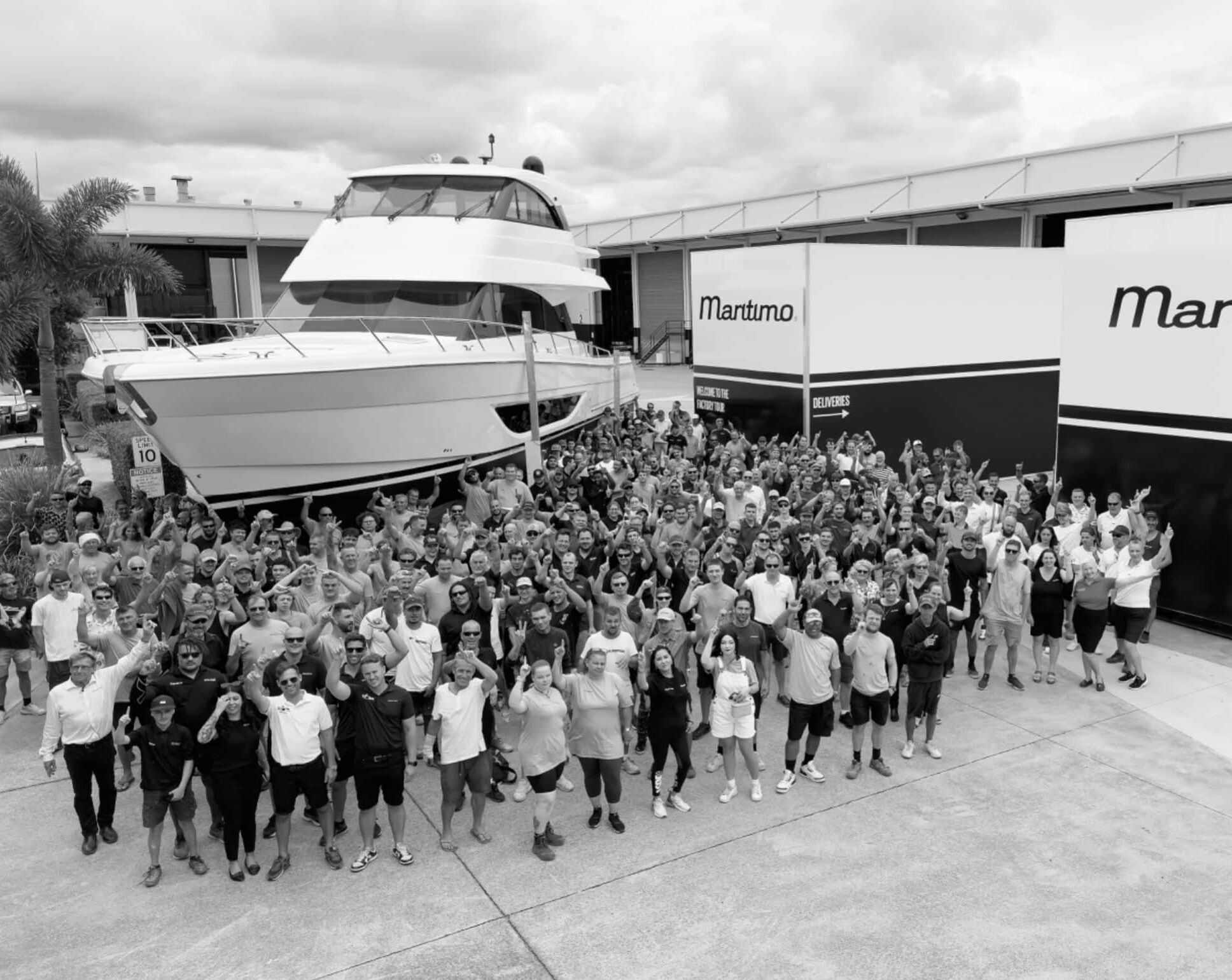
In an industry where skills shortages are an ongoing concern, Maritimo’s apprenticeship program stands as a model of how thoughtful investment in people can deliver long-term returns. By combining structured training, broad exposure, mentorship, and clear pathways for advancement, the program creates professionals who are adaptable, capable, and aligned with the company’s values.
Ultimately, the apprenticeship program reflects Maritimo’s broader philosophy: that excellence is built over time, through people who are given the opportunity to learn, grow, and contribute meaningfully. For those who enter the program, it offers not just a trade, but a future within an industry that spans Australia and the world.
To find out more head to our Careers page